Storm King Art Center: Hospitality and Accessibility

Professional development and capacity building // 2022 – 2025

Storm King engaged Turnstile Studio as a lead consultant to support a multiyear project funded by the Institute of Museum and Library Services that seeks to build the organization’s capacity to provide inclusive and accessible visitor experiences through professional development. As a first step, our team conducted an assessment that involved surveys and listening sessions with staff, volunteers, and board members, a review of relevant materials, as well as coordinating visits by and gathering feedback from a range of cultural accessibility professionals and disability advocates. Based on the results, we are now working with Storm King staff to implement targeted strategies, including customized training workshops and train-the-trainer resources, relationship-building efforts with access advisors and advocacy organizations, and guidance for staff on inclusive practices that apply to wherever and however they interact with and support visitors.
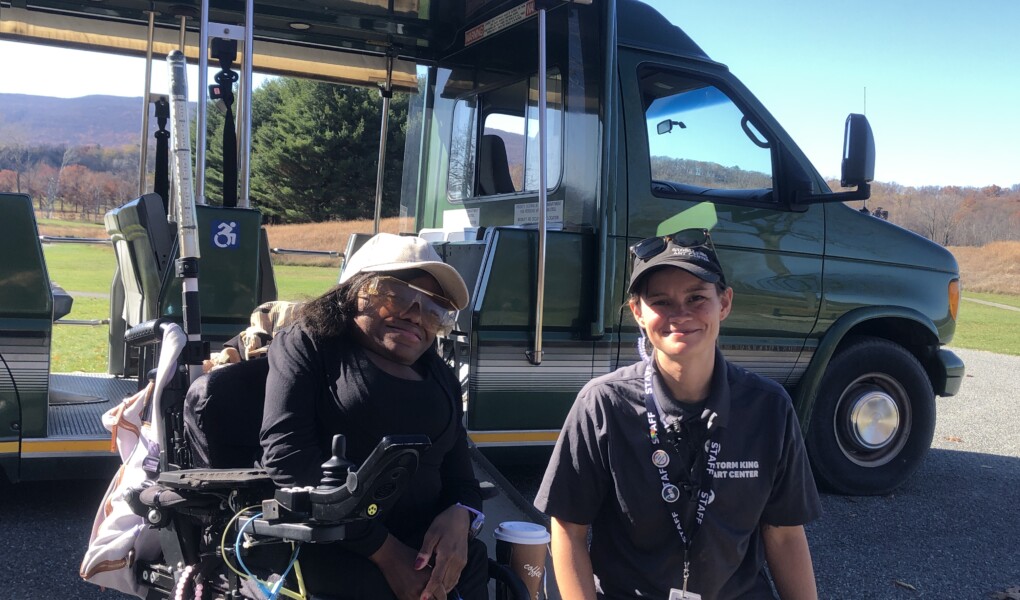
Two people pose and smile in front of an accessible tram, one who is using a wheelchair and the other who is kneeling beside her

Expanding Brooklyn Botanic Garden’s Welcome

Staff Training and Capacity Building for Accessibility // 2019–2022

Turnstile was engaged by Brooklyn Botanic Garden to act as the lead consultant in the implementation of a four-year grant from the Institute of Museum and Library Services titled “Expanding BBG’s Welcome,” which sought to build training capacity to make the Garden more accessible to people with disabilities. Turnstile conducted a baseline internal assessment of the experience and knowledge of staff related to accessibility through observations, surveys, and focus groups by department. Using the results of the assessment, Turnstile designed and led practice-oriented training workshops for over 200 frontline staff across the institution that were customized by departmental roles. Turnstile developed and produced six disability awareness training videos, complete with guiding lesson plans and activities for training staff, that were developed in collaboration with disability advocates and BBG staff, all of which are now being used for in-house staff trainings. Topics explored include accessible wayfinding, service dogs, hearing access, welcoming visitors with behavioral differences, and multimodal communication strategies. Turnstile also supported the Garden in creating a Best Practices Working Group that consists of disability service providers and advocates who serve as advisors and trainers for the Garden, the roll out of accessible services, and interdepartmental coordination on planning and budgeting for accessibility and crafting institutional policies and procedures.

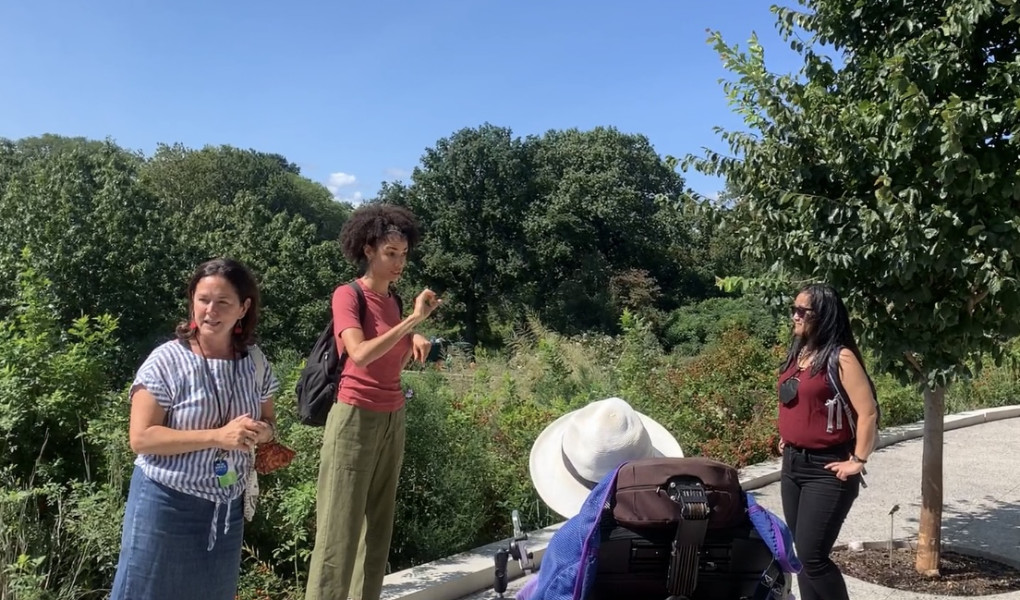
Kate-leading-BPWG-tour-at-BBG

The Ringling: Accessibility Assessment

Recommendations for Accessibility Strategies // 2016

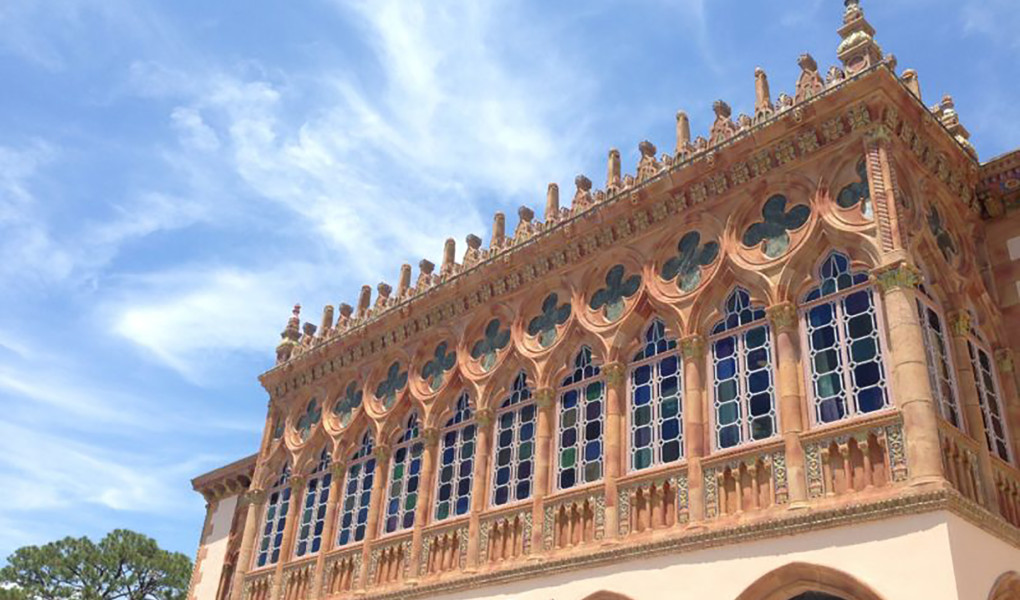
Turnstile Studio was commissioned to produce an assessment with recommendations and resources for increasing accessibility for all visitors at The Ringling’s 66-acre campus in Sarasota, Florida, including the Museum of Art, Circus Museum, Historic Asolo Theatre, Ca’ d’Zan mansion, and the Bayfront Gardens. The results of the assessment were informed by a review of visitor and training materials, a three-day site visit, meetings with department heads, and a survey conducted with more than 300 volunteers and staff. The final report included survey reports, as well as general recommendations in the following four areas: 1) Physical accessibility and navigation; 2) Visitor services and effective communication; 3) Institutional capacity building; and 4) Staff training. Since this assessment, The Ringling has excelled at implementing many of the recommendations in the report.

Cadazan

Building Knowledge Networks to Increase Accessibility in Cultural Institutions

Project Access White Paper with Art Beyond Sight by Danielle Linzer & Cindy VandenBosch • 2013

While museums and cultural institutions have had a clear legal obligation to make their programs, services, and facilities accessible to people with disabilities for decades, educational and professional development opportunities for staff working in the realm of accessibility and inclusion are limited. Access staff may feel isolated within their own institutions, often finding themselves in the position of monitoring and even clashing with colleagues, and may lack resources to stay abreast of evolving best practices, needs, and developments in the field.

By building networks of mutual support, museum professionals and people who have experience with disability can share resources and knowledge, and serve as agents for progressive change to ensure that cultural institutions are welcoming places for all. Founded as an informal working group in the 1990s, New York City’s Museum Access Consortium (MAC) has evolved into an established association of hundreds of museum professionals, advocates, and people with disabilities working to advance and promote accessibility in cultural institutions of all types through education and professional development. Using MAC as a case study, this article traces the consortium’s development, offers guidance on forming peer networks, and examines the benefits of such inter-institutional collaboration.